Ghosts beneath the waves | World Animal Protection Skip to main content
Home
Join Us
  • Home
  • Our work
    • Wildlife
      • Wildlife Not Medicine
      • Trophy Hunting
    • Food systems
      • No Future Factory Farming
      • Food Revolution
      • Fairer Finance
    • Reports Library
  • Take action
    • Help stop cruel factory farming
    • Call on the South African government to ban trophy hunting
    • Sign up to our email newsletter
    • Join us to end animal cruelty
  • News
  • Blogs
  • Why World Animal Protection?
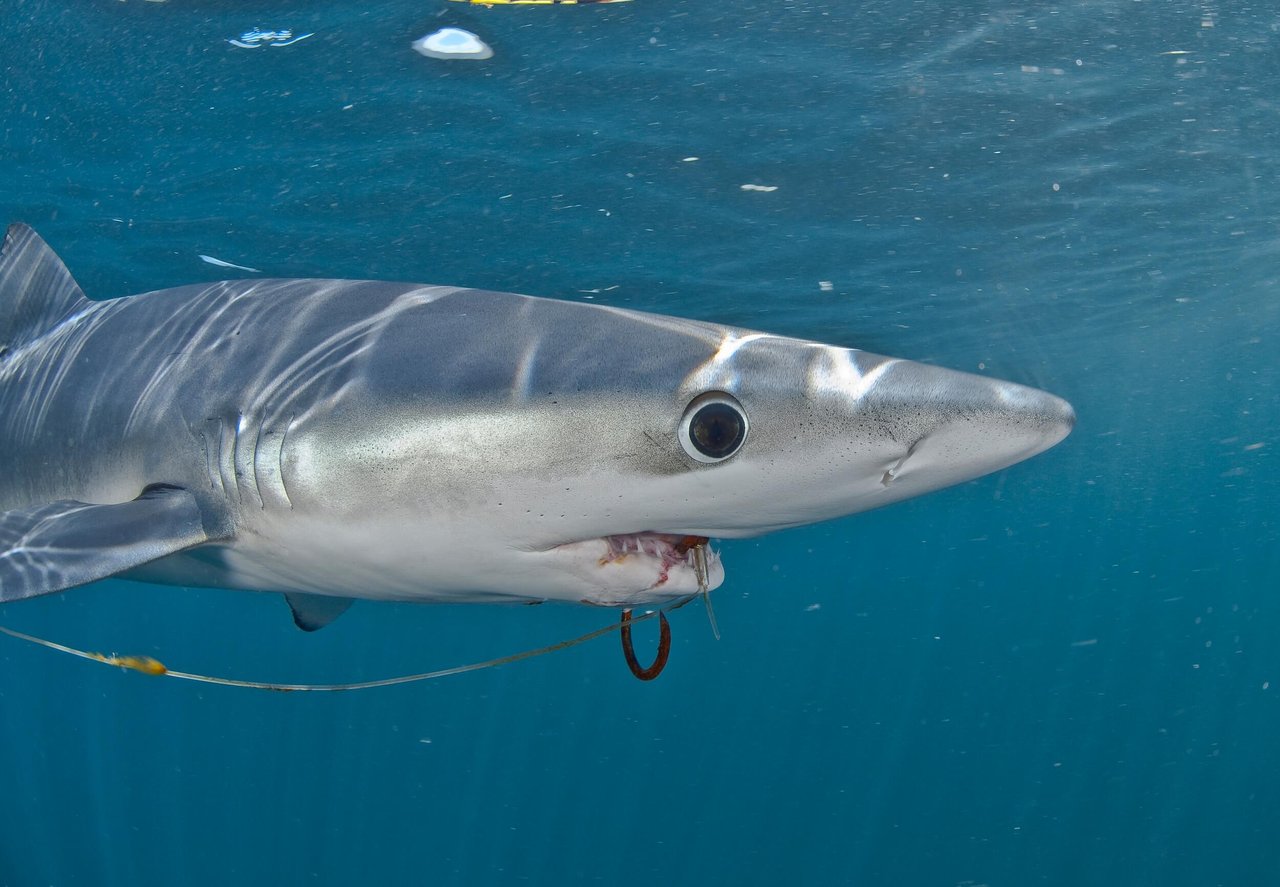
Ghosts beneath the waves - fish tangled in ghost gear - Sea Change - World Animal Protection

As fishing intensifies, more fishing gear is being lost or abandoned and this is contributing to our ocean’s plastic problem. It's harming sea animals, precious marine ecosystems and global fish stock

Facebook Twitter

Or copy this link and share it by email or other apps

  1. Home ›
  2. Ghosts beneath the waves
Get connected:
  • Facebook
  • Twitter
  • YouTube
  • Instagram

Ghosts beneath the waves

Producers and distributors of seafood have a huge role to play in tackling the problem of ‘ghost gear’, the term given to lost and abandoned fishing equipment.

We believe that our oceans and the life within them should be protected. And seafood companies can be part of the solution.

Some companies are already acting to help marine animals. And it’s working. Now we want others to act too.

The ghost gear problem is getting worse. As a result, marine animals are suffering. When animals like whales and seals get entangled or swallow pieces of plastic from ghost gear, it can lead to malnutrition, mutilation and cause a slow and painful death.

Our Ghosts beneath the waves report found that 73% of the largest seafood companies do not yet have an effective way of dealing with abandoned, lost or discarded fishing gear.

Only three companies, Young's, Tri Marine and Thai Union, have established policies or are part of projects to tackle ghost gear.

Fewer than half of seafood companies have policies that effectively address sea litter and pollution.

Share our social media post below, and ask more seafood companies to protect our oceans and the animals that call it home.

The ghost gear problem 

Join our global community

We’re working with governments, seafood companies and other non-governmental organisations to rid our oceans from ghost gear. Sign up and join our community. Let’s move the world to protect animals together.

Indicates required field

Ghost gear is harming marine animals across the globe and turning our oceans into death traps. Our report found that: 

  • since 2012, the number of species affected by marine debris has increased by over 23%
  • more than half of the ocean’s macroplastics measured by weight is fishing related 
  • ghost gear contributes to an estimated 5 to 30% decline in some fish stock levels
  • as many as 92% of encounters between marine animals and debris, including ghost gear, involves plastic debris
  • almost half of all threatened species are impacted by ghost gear

That’s why we’re asking you to spread the word on Facebook – and tell seafood companies that they can be part of the solution.  
The deadliest catch: World’s biggest seafood companies must do more
Rescuing entangled sea life

Tell the world

  • twitter
  • facebook
  • email
  • whatsapp

Stay in touch with us

Your interest and support is invaluable to us. Sign-up to our mailing list for latest updates. For any enquiries, please contact : africaenquiries@worldanimalprotection.org 

Keep up to date

Sign up to our mailing list

Get connected

  • Facebook
  • Twitter
  • YouTube
  • Instagram
  • About Us
  • Contact Us
  • Jobs and Opportunities
  • Privacy Policy

World Animal Protection. Company Limited by Guarantee in England and Wales, Registration No. 4029540. Registered Charity 1081849. 222 Grays Inn Road, London WC1X 8HB, United Kingdom